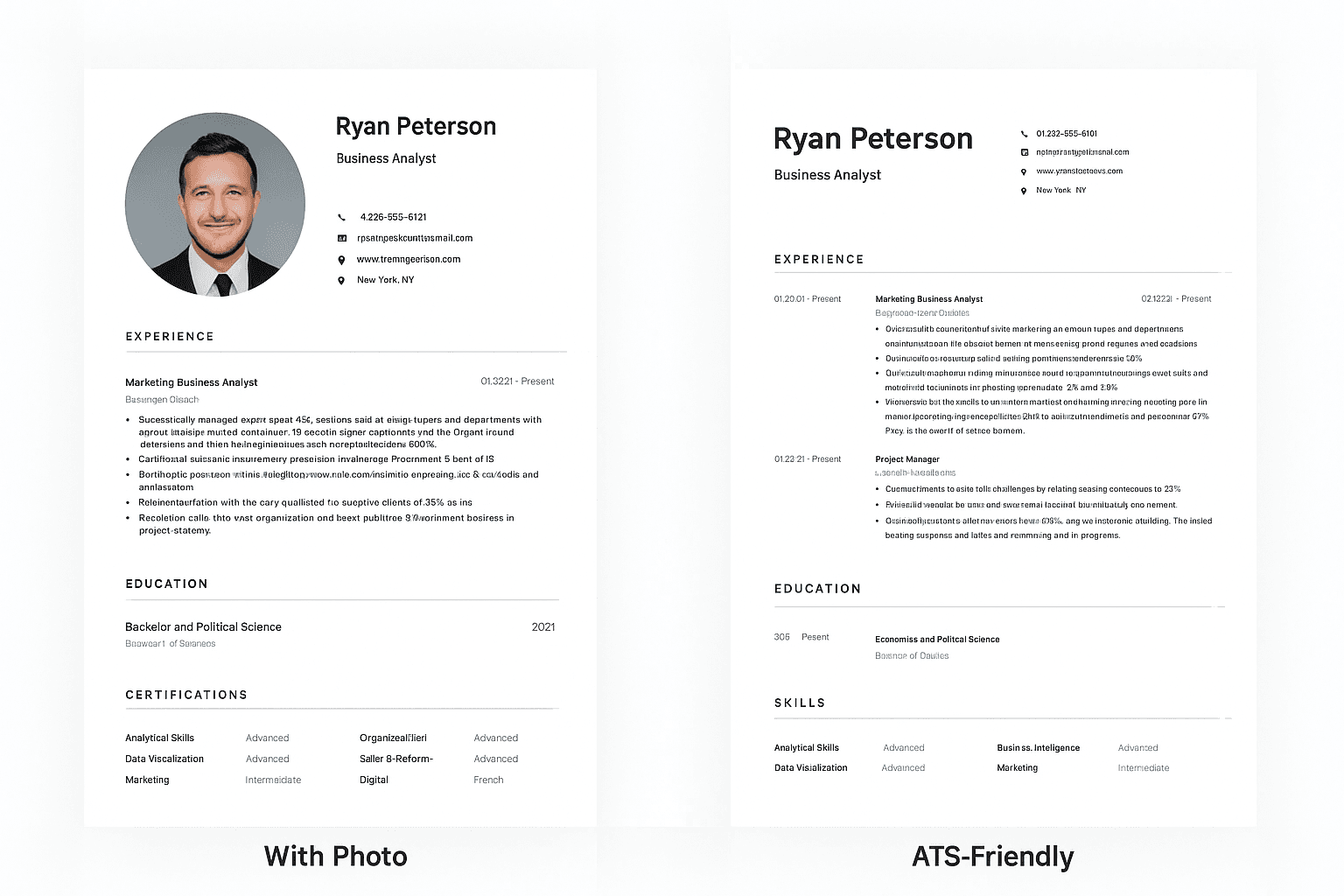
Quick Answer
"Assisted" and "helped" are honest words, but they're also the two most likely to undersell real work — both can describe anything from a minor favor to doing most of the actual job under someone else's name. If your contribution was substantial, use Contributed to, Supported, Facilitated, Coordinated, or Delivered to be more specific — or, if the outcome genuinely depended on you, describe what you did directly instead of hedging with "assisted."
The Real Problem: These Words Hide the Size of the Contribution
"Assisted with the product launch" could mean you proofread the announcement email, or it could mean you built half the feature and coordinated the rollout while someone else got formal credit. The word doesn't distinguish between those — which means a recruiter reading it has no way to know which one happened, and will likely assume the smaller version.
This is different from a word like "managed," which is vague but not self-diminishing. "Assisted" specifically signals a secondary role, so using it for work that was actually central costs you credit you earned.
More Precise Language for Support Work
If you contributed meaningfully to a shared effort
Contributed to, Supported, Collaborated on, Partnered with
Weak: "Assisted with the annual budget planning process." Stronger: "Contributed to annual budget planning, building the revenue forecast model used by the finance team."
If you handled a specific, defined part of the work
Coordinated, Executed, Delivered, Prepared
Weak: "Helped organize the company's annual conference." Stronger: "Coordinated logistics for a 300-person annual conference, managing vendor contracts and the event schedule."
If you provided support to a senior colleague or manager
Supported, Facilitated, Enabled
Weak: "Assisted the marketing director with campaign planning." Stronger: "Supported campaign planning for the marketing director, drafting briefs for three product launches."
When to Skip "Assisted" Entirely
If the outcome genuinely depended on what you did — not just on someone else's decision to include you — describe the work directly instead of hedging. Ask yourself: would this have happened without my specific contribution? If the honest answer is no, claim it plainly.
Underselling: "Assisted in closing a major client deal." More accurate: "Built the client proposal and pricing model that closed a $200K deal."
This isn't about inflating your role — it's about not automatically defaulting to the smaller-sounding word when a more specific, accurate one exists.
Not Sure If Your Bullets Undersell Your Work?
HAIRED's Fix with AI rewrites vague or hedging language into specific, credit-claiming bullets — automatically.
Related Word Swaps
- Synonyms for "Managed" on a Resume
- Synonyms for "Led" on a Resume
- Synonyms for "Developed" on a Resume
- Synonyms for "Collaborated" on a Resume
- "Responsible For" — Why to Avoid It
- Synonyms for "Maintained" on a Resume
- Synonyms for "Skills" on a Resume
- Synonyms for "Experience" on a Resume
Bottom Line
"Assisted" and "helped" aren't wrong when they're accurate — but they're easy to reach for by habit, and they quietly shrink real contributions when used out of modesty rather than accuracy. Describe what you specifically did, and save "assisted" for the cases where support really was the whole story.
Run your resume through HAIRED's free AI analyzer to catch hedging language, or let Fix with AI rewrite it.
